Epsom salt, chemically known as magnesium sulphate, has long been valued in wellness routines for its potential to support relaxation and overall well-being. Incorporating Epsom salt baths into your self-care rituals can offer a simple, natural way to unwind after a busy day.
Before diving in, you might also enjoy our guide on Top 7 Epsom Salt Bath Rituals for Stress Relief and Sleep.
Muscle Relaxation
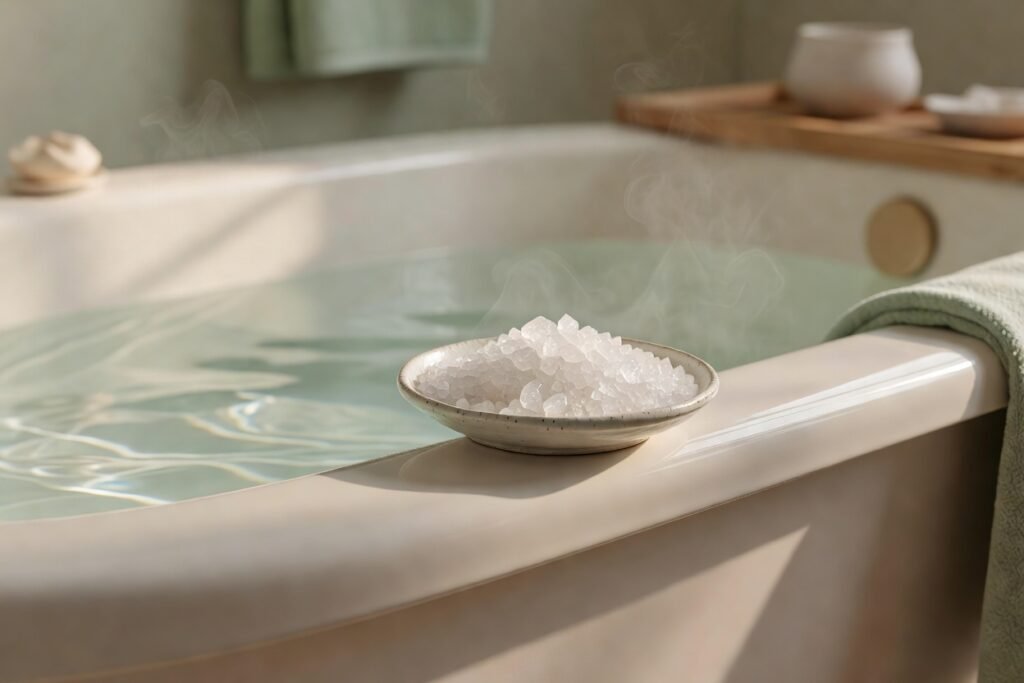
Epsom salt baths are commonly used to help relax muscles after physical activity. The magnesium in Epsom salt may be absorbed through the skin, which is often associated with reducing muscle tension and soreness. Adding a cup or two of MagMagic Pure Epsom Salt to a warm bath and soaking for 15-20 minutes can provide a soothing experience for tired muscles. Individuals with medical conditions should consult a healthcare professional before use.
Stress Relief
The magnesium in Epsom salt is linked to calming effects on the nervous system, which may help reduce stress levels. Taking an Epsom salt bath can create a peaceful environment conducive to relaxation, making it a popular choice for unwinding after a hectic day. To enhance the calming effect, try dimming lights and incorporating gentle music during your soak.
Improved Sleep Quality
Many people use Epsom salt baths as part of their bedtime routine because magnesium is known to support relaxation that can promote better sleep. Soaking in a warm bath with MagMagic Pure Epsom Salt about 1-2 hours before bedtime may help prepare the body for restful sleep. Remember to keep bath temperature comfortable and avoid overheating.
Foot Soaks for Tired Feet
Foot baths with Epsom salt are a simple way to relieve foot discomfort and refresh tired feet. The warm water combined with magnesium sulphate may help soften skin and ease minor aches. Dissolve half a cup of MagMagic Pure Epsom Salt in a basin of warm water and soak your feet for 15-20 minutes for a quick, relaxing treatment.
Skin Exfoliation
Epsom salt can be used as a gentle exfoliant to remove dead skin cells and promote smoother skin. Mixing MagMagic Pure Epsom Salt with a small amount of water or oil creates a natural scrub that can be applied during or after a bath. Use gentle circular motions and rinse thoroughly to avoid skin irritation.
Supporting Detoxification Rituals
While the body naturally detoxifies through organs like the liver, Epsom salt baths are popularly included in wellness routines to complement these processes. The warm water and magnesium sulphate may encourage relaxation and sweating, which some find beneficial for overall cleansing rituals. Always stay hydrated before and after your bath.
Reducing Minor Swelling
Soaking in an Epsom salt bath is a common home practice to help reduce minor swelling or inflammation in the limbs. The magnesium content is believed to support circulation, which may contribute to this effect. For localized swelling, a foot or hand soak with MagMagic Pure Epsom Salt can be a convenient option. As with any swelling, consult a healthcare provider if symptoms persist.
Enhancing Bath Time Rituals
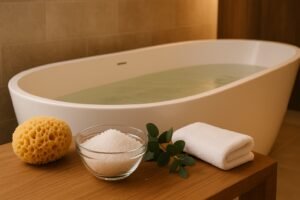
Adding Epsom salt to bathwater can elevate a simple bath into a luxurious self-care ritual. The mineral-rich salts soften bathwater and create a spa-like experience that encourages mindfulness and relaxation. Using MagMagic Pure Epsom Salt ensures a pure, additive-free product for your wellness routine.
Gardening and Plant Care
Beyond personal care, Epsom salt is also used in gardening to provide magnesium and sulfur—nutrients important for plant health. While not related to bathing, this versatile use highlights the natural benefits of magnesium sulphate. For personal wellness, stick to MagMagic Pure Epsom Salt designed specifically for baths.
Incorporating Epsom salt baths into your routine offers a range of benefits from muscle relaxation to enhanced sleep support. Whether you’re seeking stress relief or a soothing foot soak, MagMagic Pure Epsom Salt provides a trusted, pure option to enrich your wellness rituals. Shop MagMagic Pure Epsom Salt to start enjoying these benefits today.
For more detailed information on magnesium and its effects, visit the National Institutes of Health Office of Dietary Supplements.