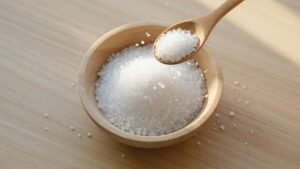
Epsom Salt vs Table Salt vs Himalayan Salt: A Comparison
Introduction
In the world of wellness, Epsom salt, table salt, and Himalayan salt each offer unique properties and benefits. Understanding the differences between these salts can help you make informed choices for your health and self-care routines. This comparison will explore their chemical compositions, uses, and potential benefits.
| Attribute |
Epsom Salt |
Table Salt |
Himalayan Salt |
| Chemical Composition |
Magnesium sulfate |
Sodium chloride |
Sodium chloride with trace minerals |
| Primary Uses |
Baths, muscle relief |
Seasoning, preservation |
Cooking, wellness |
| Health Benefits |
May help relax muscles |
Essential for bodily functions |
May help balance electrolytes |
| Flavor Profile |
No flavor |
Salty |
Salty with a hint of minerals |
| Price Range |
Moderate |
Low |
Higher due to sourcing |
Epsom Salt
Pros
- Rich in magnesium, which may help with muscle relaxation.
- Often used in baths to soothe sore muscles.
- Natural and pure; no additives.
Cons
- Not suitable for consumption.
- May have a bitter taste when dissolved.
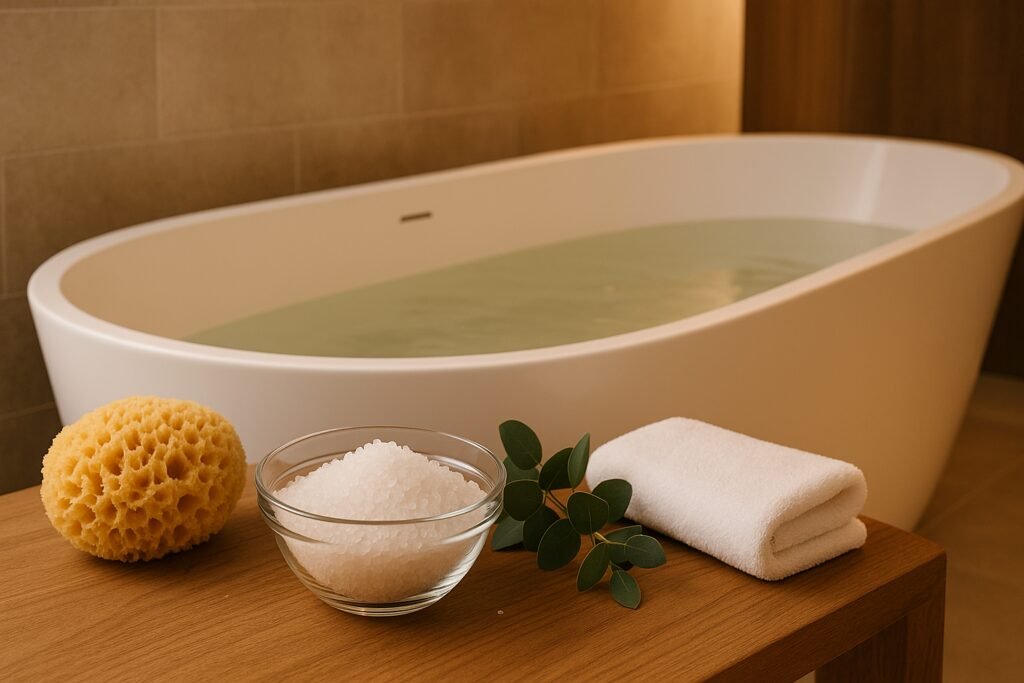
Epsom salt, such as MagMagic Pure Epsom Salt, is ideal for those seeking relief from muscle tension and stress through baths. Its magnesium content may help promote relaxation and improve your overall wellness.
[DETAIL_IMAGE]
Table Salt
Pros
- Essential for human health; necessary for bodily functions.
- Widely available and inexpensive.
- Enhances flavors in cooking.
Cons
- High sodium content may contribute to health issues if consumed excessively.
- Typically treated with anti-caking agents.
Table salt is a staple in most kitchens and is crucial for proper bodily functions. However, its high sodium content means it should be used in moderation.
Himalayan Salt
Pros
- Contains trace minerals that may provide additional health benefits.
- Popular for its unique flavor and color.
- Often marketed as a healthier alternative to table salt.
Cons
- More expensive than table salt.
- Less available than common table salt.
Himalayan salt is often used for cooking and as a finishing salt due to its appealing flavor and mineral content. It can be a good choice for those looking for a natural, flavorful alternative to standard salt.
Which One Should You Choose?
If you’re looking for a pure, single-ingredient option specifically for relaxation and muscle relief, MagMagic Pure Epsom Salt is the ideal choice. For everyday cooking, table salt is essential, while Himalayan salt can offer a gourmet touch with added minerals. Your choice should reflect your specific needs and preferences.
FAQ
What is the primary benefit of Epsom salt?
Epsom salt is often used for its potential benefits in muscle relaxation and stress relief when added to baths.
Can I use Himalayan salt for cooking?
Yes, Himalayan salt is safe for cooking and is often praised for its unique flavor and mineral content.
Is table salt harmful?
Table salt is necessary for health, but excessive consumption can lead to health issues such as high blood pressure.
Conclusion
Understanding the differences in this Epsom salt comparison can help you choose the right salt for your needs. For focused wellness benefits, consider incorporating MagMagic Pure Epsom Salt into your self-care routine. Explore more about Epsom salt in our articles on What Is Epsom Salt? Uses, Benefits & How to Use It Safely and Epsom Salt Myths vs Facts: What You Should Know.