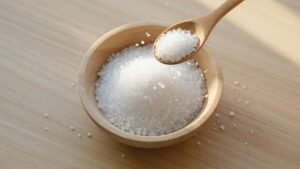
Epsom salt is often surrounded by various myths and misconceptions that can cloud its true benefits. In this article, we will explore common Epsom salt myths versus facts, providing you with accurate information to enhance your wellness and self-care routines.
Myth: Epsom salt is just regular table salt.
Fact: Epsom salt is not the same as table salt. It is composed of magnesium sulfate, while table salt is primarily sodium chloride. Magnesium sulfate may help with muscle relaxation and stress relief when used in baths.
Myth: Epsom salt is only for soaking in baths.
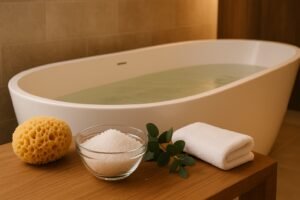
Fact: While soaking in an Epsom salt bath is popular, it can also be used in foot soaks, scrubs, and even as a gardening aid. The versatility of Epsom salt may help in various applications beyond just baths.
Myth: Epsom salt can cure diseases.
Fact: Epsom salt should not be viewed as a cure for diseases. While magnesium sulfate may help alleviate certain conditions, it is not a substitute for medical treatment. Always consult a healthcare professional for medical advice.
Myth: Epsom salt works instantly.
Fact: Epsom salt may take time to show effects. Regular use in baths or foot soaks can enhance relaxation and soothe muscle tension, but it is not an immediate fix. Consistency is key for experiencing its full benefits.
Myth: All Epsom salts are the same.
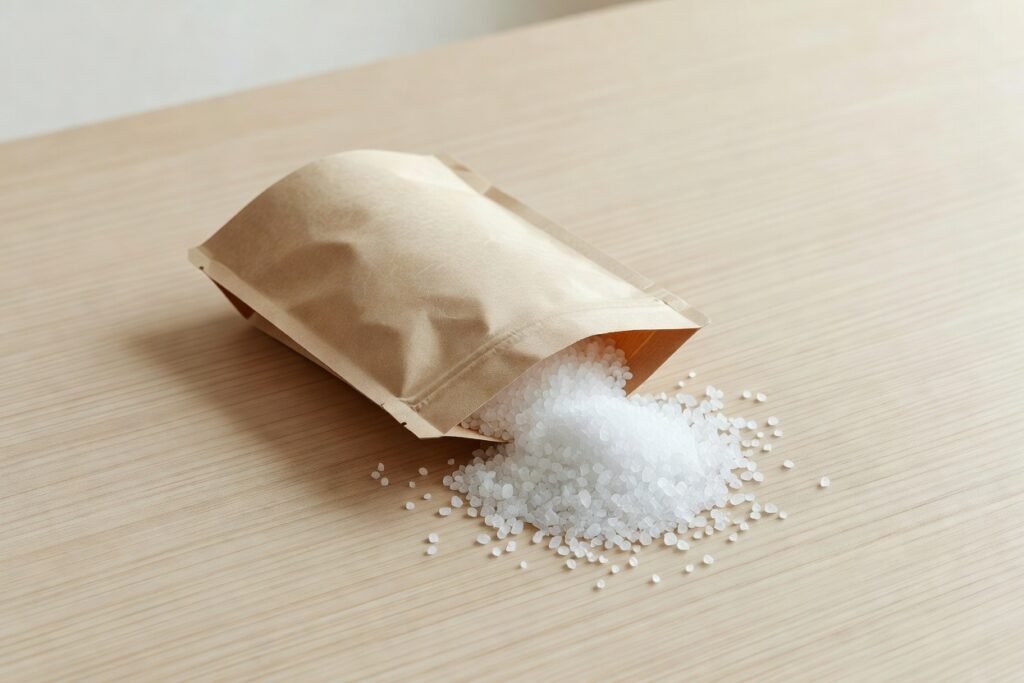
Fact: The quality of Epsom salt can vary. Look for pure Epsom salt products, such as MagMagic Pure Epsom Salt, which ensure you’re using high-quality magnesium sulfate without additives.
[DETAIL_IMAGE]
Myth: Epsom salt is toxic if ingested.
Fact: Epsom salt is generally safe for ingestion in small amounts. However, it is primarily recommended for external use. Always follow guidelines and consult a healthcare provider before ingesting any form of magnesium sulfate.
Myth: Epsom salt baths are not effective for stress relief.
Fact: Soaking in Epsom salt may help promote relaxation and reduce stress levels. The magnesium in Epsom salt can assist in muscle relaxation, which contributes to an overall calming effect during baths.
Myth: Epsom salt can replace magnesium supplements.
Fact: While Epsom salt contains magnesium, it is not a direct substitute for magnesium supplements. For those who need to increase their magnesium intake, dietary sources or supplements may be more effective. Consult with a healthcare provider for personalized advice.
Myth: Epsom salt is only beneficial for athletes.
Fact: Epsom salt can benefit anyone, not just athletes. Its properties may help alleviate muscle tension and stress, making it a great addition to anyone’s self-care routine, regardless of their activity level.
Myth: Epsom salt does not have any scientific backing.
Fact: While more research is needed, studies suggest that magnesium sulfate may help with various wellness aspects, including relaxation and muscle relief. For a deeper dive, you can explore resources like the National Institutes of Health’s page on magnesium here.
Key Takeaways
- Epsom salt is magnesium sulfate, not the same as table salt.
- It can be used in various ways, not just for baths.
- Regular use may help with relaxation and muscle relief, but it’s not a cure for diseases.
- Quality matters; choose pure Epsom salt products for the best benefits.
- Consult a healthcare professional regarding ingestion and magnesium supplementation.
In conclusion, understanding Epsom salt myths versus facts can enhance your wellness journey. Discover the many benefits of MagMagic Pure Epsom Salt and incorporate it into your self-care routine effectively. For more information about Epsom salt, check out our article on What Is Epsom Salt? Uses, Benefits & How to Use It Safely.