Understanding the Role of Magnesium in Muscle Function
Magnesium is an essential mineral that plays a crucial role in various bodily functions, particularly muscle function. This vital nutrient is involved in over 300 biochemical reactions in the body, influencing everything from energy production to protein synthesis. As a key player in muscle contraction and relaxation, magnesium is often overlooked in discussions about fitness and wellness. In this article, we will delve into the importance of magnesium for muscle function, how it interacts with other nutrients, and ways to incorporate magnesium sources, such as Epsom salt, into your wellness routine.
The Importance of Magnesium for Muscle Function
Magnesium is essential for muscle contraction and relaxation. When a muscle receives a signal to contract, calcium is released into the muscle cells, promoting contraction. Magnesium, on the other hand, helps to relax the muscle after contraction by counteracting the effects of calcium. This balance is vital for maintaining proper muscle function and preventing cramping or spasms.
Key Benefits of Magnesium in Muscle Function
- Regulates Muscle Contraction: Magnesium helps to regulate calcium levels in muscle cells, ensuring a proper contraction-relaxation cycle.
- Prevents Muscle Cramping: Adequate magnesium levels may help reduce the incidence of muscle cramps and spasms.
- Supports Energy Production: Magnesium is involved in ATP (adenosine triphosphate) production, which is the energy currency of the cell, providing energy for muscle contractions.
- Aids Recovery: Magnesium can help support muscle recovery after exercise by reducing inflammation and promoting relaxation.
How Magnesium Works in the Body
Understanding how magnesium interacts with other minerals and nutrients can help you appreciate its role in muscle health better. Here are some key interactions:
Magnesium and Calcium
As mentioned, magnesium helps regulate calcium levels in the body. An imbalance between these two minerals can lead to muscle cramps and spasms. While calcium is crucial for muscle contraction, magnesium ensures that muscles can relax after contracting. For optimal muscle function, it’s essential to maintain a proper balance between calcium and magnesium intake.
Magnesium and Potassium
Potassium is another vital nutrient that works closely with magnesium. Both minerals are necessary for proper muscle function and nerve signaling. Magnesium helps to regulate potassium levels in the body, supporting overall muscle health.
Sources of Magnesium
There are various ways to incorporate magnesium into your diet and wellness routine. Here are some natural sources of magnesium:
- Leafy Greens: Spinach, kale, and Swiss chard are excellent sources of magnesium.
- Nuts and Seeds: Almonds, cashews, pumpkin seeds, and sunflower seeds are rich in magnesium.
- Whole Grains: Brown rice, quinoa, and whole wheat bread contain significant amounts of magnesium.
- Legumes: Beans, lentils, and chickpeas are great sources of magnesium and protein.
- Dark Chocolate: A delicious source of magnesium, dark chocolate also has antioxidant properties.
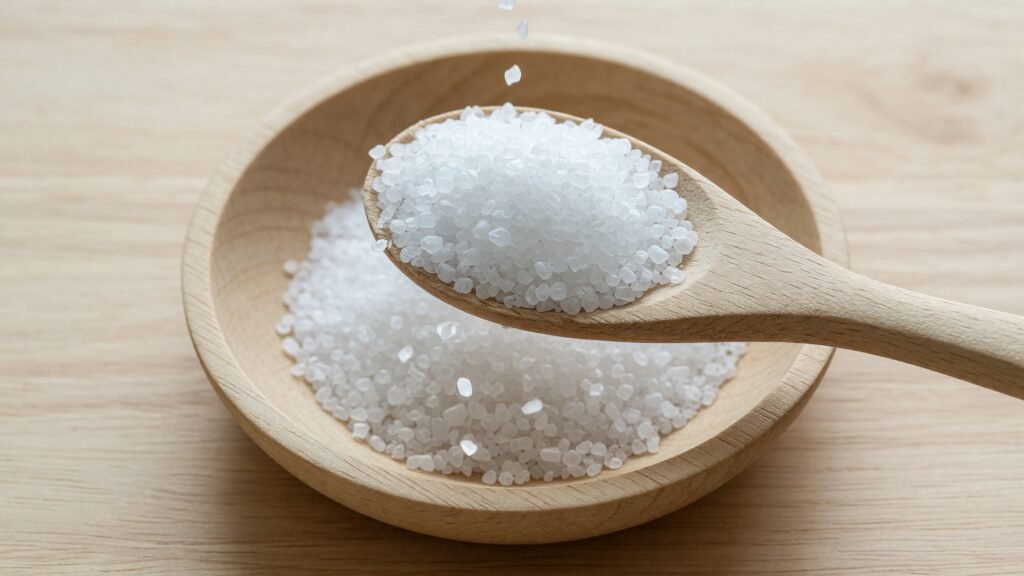
In addition to dietary sources, many people turn to magnesium supplements, such as Epsom salt, as a way to boost their magnesium intake. Epsom salt, composed of magnesium sulfate, is commonly used in baths to help relax muscles and provide a soothing experience.
Incorporating Epsom Salt into Your Wellness Routine
Epsom salt baths are a popular choice for those seeking to harness the benefits of magnesium. Here’s how to incorporate Epsom salt into your wellness routine:
- Relaxing Baths: Add 1-2 cups of Epsom salt to a warm bath to promote relaxation and soothe sore muscles.
- Foot Soaks: For a quick and easy way to enjoy the benefits of magnesium, try a foot soak with Epsom salt.
- Post-Workout Recovery: After a workout, an Epsom salt bath may help reduce muscle soreness and promote recovery.
[DETAIL_IMAGE]
Safety and Precautions
While Epsom salt is generally regarded as safe for most individuals, it’s essential to follow safety and precaution guidelines:
- Consult with a healthcare professional if you have any medical conditions or are pregnant.
- Start with lower concentrations of Epsom salt in baths and gradually increase as needed.
- Stay hydrated and avoid soaking for prolonged periods to prevent skin irritation.
For more information on Epsom salt baths, check out our post on Safety and Precautions When Using Epsom Salt Baths.
FAQs
1. How much magnesium do I need daily?
The recommended dietary allowance (RDA) for magnesium varies by age and gender. Adult men typically require about 400-420 mg per day, while adult women need around 310-320 mg.
2. Can I get enough magnesium from my diet?
Yes, many foods are rich in magnesium, and a balanced diet can help you meet your daily needs. However, some people may benefit from additional sources, such as Epsom salt.
3. Is Epsom salt safe for everyone?
While Epsom salt is generally safe for most people, those with specific medical conditions or pregnant individuals should consult a healthcare professional before use.
4. How often can I take an Epsom salt bath?
Many people find that taking an Epsom salt bath 1-2 times per week is beneficial, but individual preferences and needs may vary.
5. What are other benefits of Epsom salt aside from muscle relaxation?
Epsom salt is commonly used for stress relief, improved sleep quality, and skincare. For more details, check out our article on How Epsom Salt Baths Can Enhance Sleep Quality.
Conclusion
Magnesium plays a vital role in muscle function, influencing everything from contraction to relaxation. By ensuring adequate magnesium intake through diet and Epsom salt, you can support your muscle health and overall well-being. If you’re interested in incorporating magnesium into your wellness routine, consider trying MagMagic Pure Epsom Salt for a soothing and restorative experience.